The post Overcoming Obstacles: Bringing Fiber Broadband to Rural Areas appeared first on Upbyte: Powered By Obedio.
]]>- Geographic Challenges: Rural areas often present geographic challenges such as long distances, difficult terrains, and dispersed populations. Deploying fibre optic cables over vast areas can be costly and complex. However, innovative solutions like aerial fibre deployments using utility poles, underground installations, or leveraging existing infrastructure like power lines are being explored to overcome these geographical obstacles.
- Funding and Investment: Fiber broadband deployment requires significant investment, which can be challenging in rural areas with lower population density. Governments, organizations, and internet service providers (ISPs) are collaborating to secure funding through grants, subsidies, and public-private partnerships. These investments enable the expansion of fibre networks to rural communities, ensuring they have equal access to high-speed internet.
- Community Engagement and Partnerships: Engaging with rural communities is crucial in understanding their specific needs and challenges. Local government bodies, community organizations, and ISPs work together to develop strategies for fibre broadband expansion. Partnerships between these stakeholders facilitate the planning, deployment, and maintenance of fibre networks, ensuring sustainable connectivity in rural areas.
- Wireless and Satellite Solutions: In areas where deploying fibre infrastructure is not feasible or cost-effective, wireless and satellite solutions can provide alternative means of internet access. Wireless broadband technologies like fixed wireless access (FWA) utilize radio waves to deliver high-speed internet to rural communities. Satellite internet services are also being improved to provide reliable connectivity to remote areas.
- Government Initiatives and Policies: Governments worldwide recognize the importance of bridging the digital divide and are implementing initiatives and policies to facilitate fibre broadband deployment in rural areas. These initiatives include subsidies, tax incentives, and regulatory frameworks that promote competition and encourage ISPs to invest in rural network expansion.
- Community-Owned Networks: In some cases, communities have taken matters into their own hands by establishing community-owned broadband networks. These initiatives involve local residents and businesses pooling resources to build and operate fibre networks tailored to the needs of their community. Community-owned networks empower rural areas to bridge the connectivity gap and enjoy the benefits of high-speed internet.

Bringing fibre broadband to rural areas is a complex undertaking, but it is essential for enabling economic growth, educational opportunities, telehealth services, and improved quality of life. Overcoming geographic challenges, securing funding, fostering partnerships, and exploring alternative solutions are key to ensuring that rural communities have access to fast and reliable internet. By addressing these obstacles and implementing innovative approaches, we can bridge the digital divide and empower rural areas with the transformative power of fibre broadband.
The post Overcoming Obstacles: Bringing Fiber Broadband to Rural Areas appeared first on Upbyte: Powered By Obedio.
]]>The post Exploring the Pros and Cons of Fibre Broadband vs. 5G Internet appeared first on Upbyte: Powered By Obedio.
]]>
Fibre Broadband: The Pros
- Speed – Fibre broadband is currently the fastest type of internet available. With speeds up to 1Gbps, you can download and stream content at lightning-fast speeds.
- Reliability – Unlike traditional copper wiring, fibre broadband is less likely to experience disruptions due to weather or other external factors.
- Symmetrical speeds – With fibre broadband, you can enjoy symmetrical speeds, meaning that the upload and download speeds are the same. This is especially useful for businesses that need to upload large files or use cloud-based applications.
- No interference – Since fibre broadband is transmitted through fibre optic cables, it is not subject to interference from other electronic devices or signals.
- Scalability – Fibre broadband can easily be upgraded to meet increasing demand, making it a future-proof solution.
Fibre Broadband: The Cons
- Availability – Fibre broadband is not yet available in all areas, and the infrastructure required to support it can be expensive to install.
- Cost – Fibre broadband is generally more expensive than other types of internet connections.
- Installation – Installing fibre broadband requires professional installation, which can be time-consuming and disruptive.
- Limited portability – Fibre broadband is typically only available in fixed locations, meaning it is not suitable for people who need internet on-the-go.
5G Internet: The Pros
- Portability – 5G internet can be accessed from anywhere, making it ideal for people who need internet on-the-go.
- Speed – 5G internet can offer similar speeds to fibre broadband, making it a great option for streaming and downloading content on mobile devices.
- Lower latency – 5G internet has lower latency than traditional mobile networks, meaning there is less lag when streaming or gaming.
- More affordable – 5G internet plans can be more affordable than fibre broadband plans, especially for people who do not need a fixed location connection.
- Easy to upgrade – Upgrading to 5G internet is relatively easy, as it only requires a compatible device and a 5G plan.
5G Internet: The Cons
- Limited coverage – 5G internet is not yet widely available and is generally only accessible in urban areas.
- Bandwidth limitations – 5G internet relies on wireless spectrum, which is limited. This means that as more people connect to 5G, speeds can decrease.
- Infrastructure – 5G internet requires extensive infrastructure, including a dense network of small cell towers, which can be costly and difficult to install.
- Interference – 5G internet signals can be interfered with by buildings, trees, and other obstacles.
- Security – Since 5G internet is wireless, it can be vulnerable to hacking and other security threats.
In conclusion, both fibre broadband and 5G internet offer significant advantages over traditional internet connections. Fibre broadband is the fastest and most reliable option, with symmetrical speeds, no interference, and scalability. However, it can be expensive, require professional installation, and may not be available in all areas. 5G internet is more portable, potentially more affordable, and easier to upgrade, but it has limitations on coverage, bandwidth, infrastructure, and security.
Ultimately, the choice between fibre broadband and 5G internet will depend on your specific needs and circumstances. If you want more information about fibre broadband or are interested in upgrading your internet connection, get in touch with UpByte. Our team of experts can help you assess your options and find the best solution for your needs.
The post Exploring the Pros and Cons of Fibre Broadband vs. 5G Internet appeared first on Upbyte: Powered By Obedio.
]]>The post Fiber vs. DSL: Why Fiber Broadband Reigns Supreme appeared first on Upbyte: Powered By Obedio.
]]>
- Blazing-Fast Speeds: One of the primary advantages of fibre broadband is its incredible speed. Fibre-optic cables transmit data using light signals, allowing for significantly faster speeds compared to DSL, which relies on copper wires. Fibre broadband can deliver symmetrical speeds, meaning both upload and download speeds are equal, resulting in seamless streaming, lag-free online gaming, and quick file transfers.
- Bandwidth and Capacity: Fiber broadband offers greater bandwidth and capacity compared to DSL. This means that multiple users can simultaneously stream high-definition content, video conference, and download large files without experiencing a significant drop in performance. Fiber’s superior capacity ensures a smooth and uninterrupted internet experience, even during peak usage times.
- Reliability and Stability: Fiber broadband provides unmatched reliability and stability. Unlike DSL, which can be affected by distance limitations and signal degradation over copper lines, fibre-optic connections are immune to electromagnetic interference and deliver consistent speeds regardless of distance. Fibre is also less prone to service disruptions caused by weather conditions, making it a reliable choice for uninterrupted internet access.
- Future-Proof Technology: Opting for fibre broadband ensures you’re investing in future-proof technology. As internet demands continue to grow with advancements in streaming, cloud computing, and Internet of Things (IoT) devices, fibre’s high-speed capabilities can meet and exceed these evolving needs. Fibre infrastructure allows for easy upgrades, ensuring you’ll be well-equipped to handle the demands of future technologies and applications.
- Enhanced User Experience: Fiber broadband offers an enhanced user experience in various ways. Its low latency ensures minimal delays and lag, making it ideal for real-time applications like online gaming and video conferencing. With fibre, you can seamlessly stream 4K and even 8K content without buffering or quality degradation. The improved user experience provided by fibre broadband enhances productivity, entertainment, and overall satisfaction.
- Availability and Expansion: While DSL is widely available in many areas, fibre broadband is continually expanding its coverage. Internet service providers are investing in fibre infrastructure, bringing high-speed connectivity to more locations. If fibre broadband is not yet available in your area, it’s worth checking for future expansion plans. The growing availability of fibre makes it an increasingly accessible and desirable option.
Conclusion: When it comes to broadband options, fibre outshines DSL in terms of speed, reliability, capacity, and future-proof technology. Its blazing-fast speeds, symmetrical bandwidth, and stable connection make it the preferred choice for users who demand a superior internet experience. As fibre broadband continues to expand its reach, it’s worth considering this transformative technology for a seamless and high-performing online experience that can meet your present and future needs.
The post Fiber vs. DSL: Why Fiber Broadband Reigns Supreme appeared first on Upbyte: Powered By Obedio.
]]>The post How FTTP Broadband is Revolutionizing Rural Connectivity appeared first on Upbyte: Powered By Obedio.
]]>In this blog post, we will explore the ways FTTP broadband is revolutionizing rural connectivity.
Increased Speeds and Bandwidth
Fiber to the Premises (FTTP) broadband offers significantly faster speeds and greater bandwidth than traditional broadband connections, including Digital Subscriber Line (DSL) or Cable Modems. The reason for this is that FTTP broadband uses fibre-optic cables that can carry data at much higher speeds than copper cables, which are used in traditional broadband connections.
In traditional broadband connections, the signal is sent over copper cables from a central exchange to the home or business. As the signal travels along the copper cables, it can lose strength and become weaker, resulting in slower speeds and lower bandwidth. This is not the case with FTTP broadband, where the signal is transmitted over fibre-optic cables that can carry the signal over much greater distances without losing strength or speed.
FTTP broadband offers symmetrical upload and download speeds, which means that users can upload data at the same speed as they can download it. This is a significant advantage over traditional broadband connections, where upload speeds are typically much slower than download speeds. This increased speed and bandwidth provided by FTTP broadband means that rural communities can now access bandwidth-intensive applications, such as streaming video, video conferencing, and online gaming, without experiencing buffering or lag.
Moreover, FTTP broadband can support multiple devices and users simultaneously, without affecting the speed or performance. This is essential for households or businesses with multiple users or devices, as traditional broadband connections can struggle to support multiple users or devices simultaneously, resulting in slower speeds and degraded performance.
The increased speeds and bandwidth provided by FTTP broadband are transforming the way rural communities access and utilize the internet. With this increased connectivity, rural areas can now access a range of services, including telemedicine, e-learning, and online entertainment, that were previously unavailable due to slow and unreliable broadband connections. Get in touch with UpByte here.

Improved Reliability
FTTP broadband provides a more reliable connection than traditional broadband. The use of fibre-optic cables in FTTP broadband is less susceptible to interference and damage from environmental factors, such as storms and lightning, which can cause disruptions and outages in traditional broadband connections.
The fiber-optic cables used in FTTP broadband are also less prone to signal loss over distance, which ensures that the data signal remains strong and consistent throughout the connection. This reliability means that rural communities can rely on their FTTP broadband connection for critical applications such as telemedicine, emergency services, and online banking.
Another advantage of FTTP broadband is that it does not suffer from bandwidth degradation due to the distance from the central exchange. In traditional broadband connections, the further away a user is from the central exchange, the weaker the signal becomes, resulting in slower speeds and lower bandwidth. However, since FTTP broadband uses fibre-optic cables that carry data signals over much greater distances without losing strength, the connection remains stable and consistent, regardless of the distance from the central exchange.
FTTP broadband connections are also less susceptible to congestion during peak usage times. Traditional broadband connections can experience congestion during peak usage times, resulting in slower speeds and lower bandwidth. However, with FTTP broadband, since the data is transmitted over dedicated fibre-optic cables, there is less likelihood of congestion, ensuring that users can always access high-speed and reliable connectivity.
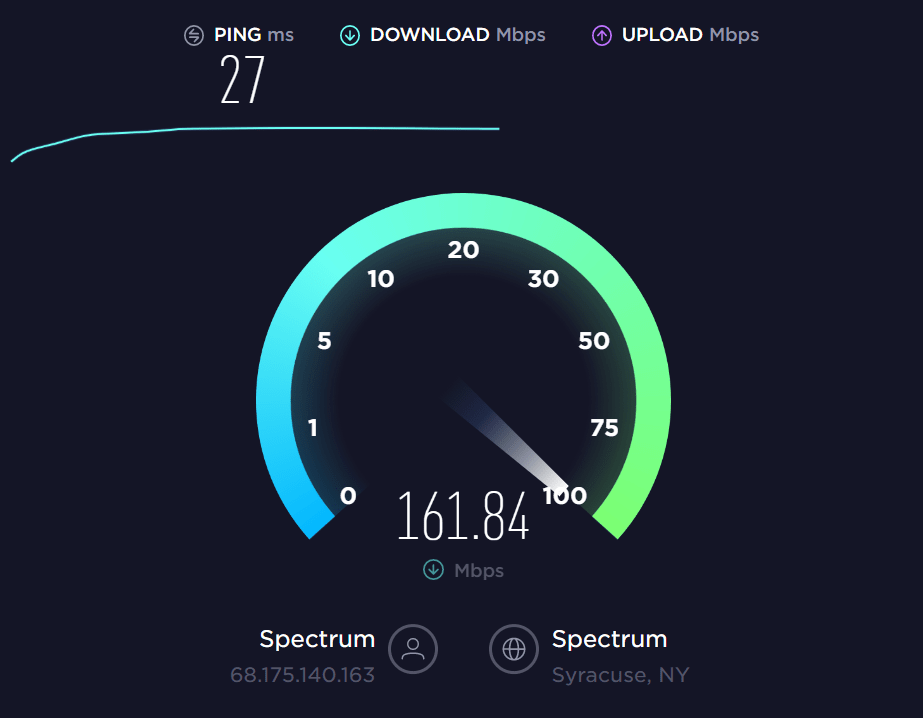
Overall, the improved reliability of FTTP broadband is transforming the way rural communities access and utilize the internet. With its reliable and stable connection, rural communities can access a range of essential services, including telemedicine, online banking, and emergency services. This reliability is also essential for rural businesses, ensuring that they can operate without interruption and access the global market with confidence.
Enhanced Business Opportunities
The availability of FTTP broadband is transforming the business landscape in rural areas, providing enhanced opportunities for growth and development. The increased speeds and bandwidth provided by FTTP broadband mean that rural businesses can now compete on a level playing field with businesses located in urban areas. They can now access a range of online services and cloud-based applications that were previously unavailable due to slow and unreliable broadband connections.
With FTTP broadband, rural businesses can now engage in e-commerce, marketing, and digital advertising, allowing them to expand their customer base and reach new markets beyond their immediate area. They can also access a range of online tools and resources, such as project management software, online accounting tools, and cloud-based storage solutions, that can help streamline their operations and improve productivity.
Furthermore, FTTP broadband enables rural businesses to take advantage of emerging technologies, such as the Internet of Things (IoT) and artificial intelligence (AI), to drive innovation and growth. The IoT, for example, allows businesses to connect and monitor their equipment and devices remotely, improving operational efficiency and reducing costs. AI can help businesses analyze vast amounts of data to identify trends and insights, enabling them to make more informed decisions.
FTTP broadband also offers a more reliable and secure connection, ensuring that rural businesses can operate without interruption and safeguard their data and information. This is essential for businesses that rely on online transactions, such as e-commerce or online banking, as it ensures that their data remains secure and their transactions are completed without interruption.
FTTP broadband is providing enhanced business opportunities in rural areas, allowing businesses to access a range of online services, tools, and technologies that were previously unavailable. This increased connectivity is driving innovation, growth, and development, and transforming the rural business landscape for the better.
Increased Access to Education and Healthcare Services
The availability of FTTP broadband in rural areas is providing increased access to education and healthcare services, which is transforming the way people in these communities access and utilize these critical services.
With FTTP broadband, rural communities can access e-learning platforms, online courses, and virtual classrooms, allowing them to receive education and training remotely. This is particularly important for students in rural areas who may not have access to the same educational opportunities as those in urban areas. FTTP broadband provides students with the same level of access to educational resources, enabling them to learn at their own pace and from the comfort of their own homes.

FTTP broadband is also revolutionizing healthcare services in rural areas. Telemedicine, which is the delivery of healthcare services remotely, is becoming increasingly popular in rural areas, where access to healthcare facilities is limited. With FTTP broadband, patients can receive consultations, diagnosis, and treatment from healthcare professionals remotely, without the need to travel long distances to access medical care.
The increased speeds and bandwidth provided by FTTP broadband also enable medical professionals to transmit medical data, such as X-rays and scans, quickly and easily, allowing for faster diagnosis and treatment. This is particularly important in emergency situations where time is critical.
Moreover, FTTP broadband can support remote patient monitoring, which allows healthcare professionals to monitor patients’ health remotely, ensuring that they receive the appropriate care and treatment. This technology is particularly important for elderly patients who require frequent monitoring and care but may be unable to travel to healthcare facilities.
FTTP broadband is providing increased access to education and healthcare services in rural areas, which is transforming the way people in these communities access and utilize these critical services. This increased connectivity is improving the quality of life for people in rural areas, allowing them to access essential services from the comfort of their own homes.
Boosting the Local Economy
The availability of FTTP broadband in rural areas is boosting the local economy, providing new opportunities for growth and development.
With FTTP broadband, rural businesses can now access a global market, reaching customers and clients beyond their immediate area. This increased connectivity is driving innovation and entrepreneurship, as businesses in rural areas are now able to compete on a level playing field with businesses located in urban areas. This increased competition is driving economic growth and development in rural areas, creating new jobs and increasing local prosperity.
Moreover, FTTP broadband is enabling rural businesses to expand their operations and diversify their products and services. With faster speeds and greater bandwidth, businesses can now access a range of online tools and resources, allowing them to streamline their operations and improve productivity. This increased efficiency is helping rural businesses to increase their profitability, which is driving local economic growth.
FTTP broadband is also driving investment in rural areas. With increased connectivity, rural areas are becoming more attractive to businesses and investors, as they can now access a skilled workforce and a range of essential services. This increased investment is creating new opportunities for growth and development, which is driving economic prosperity in rural areas.
Furthermore, FTTP broadband is driving tourism in rural areas. With faster speeds and greater bandwidth, tourists can now access online information about rural areas, such as local attractions, accommodations, and events, which is driving tourism in these areas. This increased tourism is creating new opportunities for businesses in rural areas, such as restaurants, hotels, and gift shops, which is driving local economic growth.
FTTP broadband is boosting the local economy in rural areas, creating new opportunities for growth and development. This increased connectivity is driving innovation, entrepreneurship, investment, and tourism, which is transforming the economic landscape of rural areas for the better.
In conclusion, FTTP broadband is revolutionizing rural connectivity by providing faster speeds, improved reliability, and enhanced business opportunities. This increased connectivity is enabling rural areas to access and utilize a range of services that were previously unavailable, including healthcare, education, and e-commerce. With its significant economic and social benefits, FTTP broadband is playing a crucial role in transforming rural communities and narrowing the digital divide. If you want more information on GTTP broadband get in touch with UpByte here.
The post How FTTP Broadband is Revolutionizing Rural Connectivity appeared first on Upbyte: Powered By Obedio.
]]>The post Can any house have fibre broadband? appeared first on Upbyte: Powered By Obedio.
]]>A broadband network can come in different forms, fibre cables, copper wire, 4g or 5g mobile internet or satellite. You probably won’t be able to access all of these in your area as different services are run by different companies.

Type of broadband
Each area in the UK will have access to some kind of broadband, and most UK homes or businesses will have access to an either fibre optic or copper wire. Below is a quick summary of each one.
Fibre or fibre optic broadband
This is the most popular form of getting broadband or an internet connection. The level of speed can depend on your area, more rural areas tend to have a slower internet connection or no fibre broadband. This is mainly due to the slower roll-out of fibre and it’s harder to reach these areas.
The type of fibre broadband most people have is ‘fibre-to-the-cabinet’, which is available to 96% of homes in the UK. A fibre cable will go all the way to the green cabinet near your home, from there, it will be a copper wire to your house. It’s faster than complete copper wire broadband but not as fast as full-fibre broadband. The average speed you get from this kind is between 30-70Mbps.
A full-fibre connection will have no copper wire and you will be able to get super-fast speeds of 1Gbps and above. Fibre optic broadband is the fastest internet connection available, it uses pulses of light to transmit information.
ADSL broadband
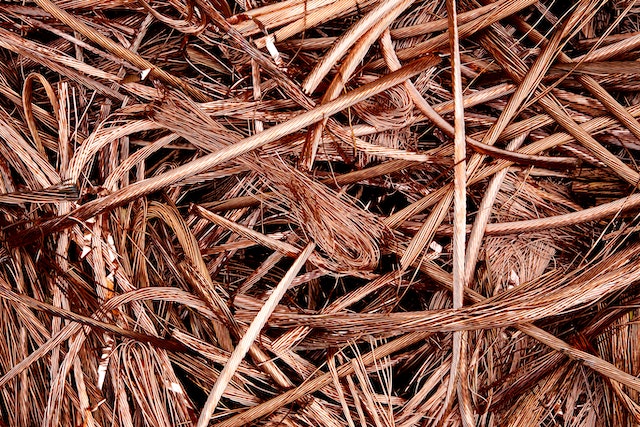
This type of broadband is provided via existing BT phone lines and it’s the most widely available connection in the UK. It stands for Asymmetric Digital Subscriber Line (ADSL). ADSL comes from the phone exchange and is owned by BT fixed line access network made out of copper wires. These are the telephone lines in the street.
The information you receive comes from these phone lines, they are sent via a digital signal and split into phone and internet signals via a micro filter which is a small plastic box that you can plug in.
It’s the oldest and slowest form of broadband, but it comes at a similar price to fibre broadband. The speed of the internet connection when using ADSL comes from the distance from your local phone exchange, the signal get’s worse over distance.
Mobile broadband
Mobile broadband is transmitted over phone networks, so there are no cables, it’s completely wireless.
You can use mobile broadband in a few ways, including a USB dongle, which you can connect to your device while on the move. Or using a mobile broadband router, which is basically a portable wifi router that runs on the phone network.
The speed of the connection depends on the area, 3g, 4g and 5g are available around the country. 5G is fairly new so it’s not that widely available, you more likely to find it in major cities. Your connection speed also depends on your mobile network, so it’s worth doing some research into your area and network before committing to anything.
Another way of using mobile broadband is to use your current mobile phone, you can use your hotspot on your phone to connect to other devices. This basically turns your phone into a mobile router. This does burn a lot of mobile data, so be careful!
Satellite broadband
This is one of the newest ways to get broadband, it’s been around for a while but it’s become more popular with new businesses like Starlink and OneWeb. Previously this type of broadband was very slow and only used when absolutely necessary in very remote locations. But recently satellite internet connection has vastly improved.
SpaceX owns a company called Starlink has led the way in this technology. They have hundreds of satellites in low earth orbit beaming down super fast internet.
The price of this kind of broadband is currently very high the UK-based company OneWeb is catching up fast, so in the new future prices will drop and become more affordable for everyone.

Two-hour HD movie download
| Broadband connection | Broadband speed | Download time |
|---|---|---|
| Copper ADSL | 11Mbps | 58m34s |
| Superfast | 36Mbps | 17m53s |
| Ultrafast | 108Mbps | 1m6s |
| Gigabit | 1Gbps | 38s |
What kind of broadband can I get?
Depending on your needs as a household or business will depend on the type of broadband you should get. It also depends on your location. The first thing you should do is get in touch with us and we can tell you what kind of broadband your area has, we can find you the fastest kind as well as the best deals. Get in touch via our email here, team@notspot.co.uk or just call us, 0333 322 3434.
The post Can any house have fibre broadband? appeared first on Upbyte: Powered By Obedio.
]]>The post What is SoGEA Broadband? appeared first on Upbyte: Powered By Obedio.
]]>SoGEA is cheaper than regular broadband
The cost of a phone line and broadband is normally more expensive that SoGEA so you and your business can save money if you decide to go for it.
SoGEA is fast
SOGEA gives downloads of up to 80Mbs using the same reliable technology as FTTC. There are a few different options when it comes to speed on SoGEA Fibre Broadband:
The up-to speeds that are currently available are:
- SoGEA 40mb / 10mb
- SoGEA 55mb / 10mb
- SoGEA 80mb / 20mb
- SoGFast 160mb / 30mb
- SoGFAST 330mb / 50mb
Quicker fix times/ more reliable
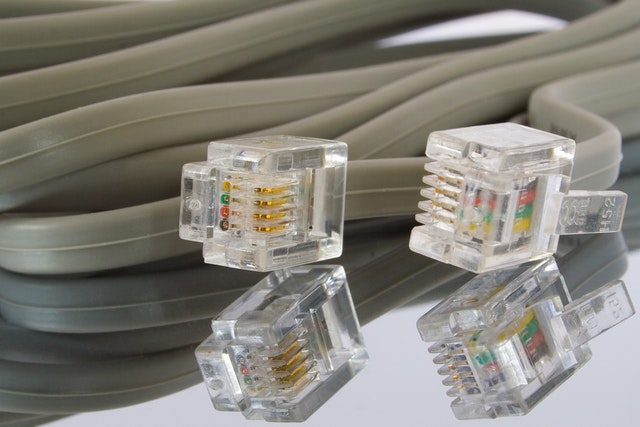
Since SoGEA is just an internet connection you don’t need to go through all the customer support processes that you would normally with broadband service. It’s just a case of calling one number and you are through to support. Also, there is simply less to go wrong with SoGEA and phone lines are not in the equation.
Since there is no traditional phone line frequencies being used, there is less of a chance of interference and an unstable connection.
The drawback of SoGEA is that users don’t have access to a phone number. SoGEA does not allow users to connect a traditional phone to the BT Socket. Users will have to adopt VOIP to be able to make and receive phone calls. We have this service available on our other website UtterVoIP.
Is SoGEA available everywhere? Can I get it?
SoGEA is not available everywhere yet but it is available to 28 million premises across the UK. It will become more and more common over the next few years. You can use our availability checker to find out what is available at your premises.
SoGEA availability checker
Click here to go to a SoGEA availability checker.
If you want more info or you want to get SoGEA now, get in touch with us today at
Email
team@notspot.co.uk
Call Us
0333 322 3434
The post What is SoGEA Broadband? appeared first on Upbyte: Powered By Obedio.
]]>The post What is FTTP Broadband? appeared first on Upbyte: Powered By Obedio.
]]>If you are looking for a new broadband package that is super fast, then you probably have come across either FTTP or FTTC. Fiber to premises is much faster than the old copper telephone line used by many other broadband services. You can get speeds of up to 1Gbps (gigabits per second) or more when using FTTP.
The only downside of FTTP is that it is as widely available as the alternatives.
If you are looking to find if your premises can have FTTP please have a look at the Open Reach website, they have a great tool to help with this. Click here to access it.
What is FTTC?
Fiber to the Cabinet (FTTC) is the other option that is available to you, but this is normally a lot slower than FTTP. The reason why FTTC is normally slower than FTTP is that the fiber cables stop at the Cabinet, the rest of the connection is via copper wires, meaning you loose a lot of the speed by the time it reaches your home or business premises.
FTTC is normally cheaper than FTTP as it is more widely available.
How can I get FTTP?
If you are looking to get FTTP for your home or business get in touch with us, we can help you get the best internet connection for your area whether you are rural or in a town or city. Upbyte can help you with all your broadband needs. The future has arrived, and a new era of digital innovation and disruption is here. You don’t know what you don’t know, one call to 0333 322 3434 and you could easily find out what is the best internet access available to you now.
The post What is FTTP Broadband? appeared first on Upbyte: Powered By Obedio.
]]>The post What is fibre broadband? appeared first on Upbyte: Powered By Obedio.
]]>How much faster is fibre than copper?
When you are looking at upgrading your broadband, it’s important to look at whether you will get copper or fibre wire broadband to connect you to the internet. There are a number of factors to also consider, such as your networking needs, how much bandwidth you have, distance to your broadband box, environment, cost, and more.
Fibre optic cables beat copper in this department, and it isn’t even close. Fibre optic cables are made of tiny strands of glass, each about the size of a human hair, and use light pulses. Thus, they can carry a lot of data—up to 60 terabits per second—at speeds just slightly slower than the speed of light. Copper cables, limited by the speed at which electrons travel, can only reach about 10 gigabits per second.
Fibre optic cable is becoming one of the fastest-growing transmission mediums. Fibre optics is normally favoured when you want a faster connection and higher bandwidth. It’s ideal for high data-rate systems such as Gigabit Ethernet, FDDI, multimedia, ATM, SONET, Fibre Channel, or any other network that requires the transfer of large, bandwidth-consuming data files, particularly over long distances.
Advantages of Fibre Optic
Better bandwidth: Fibre provides far greater bandwidth than copper and has proven performance at rates up to 10 Gbps. Fibre optic cables carry a much greater amount of data.
Very little signal lost: Fibre optic signal is made of light, so there is very little signal lost. Since copper is a physical wire, there is friction, but the light has zero friction. Data can move at higher speeds and greater distances. Fibre does not have the 100-meter (304.8-ft.) distance limitation of unshielded twisted-pair copper (without a booster). Fibre distances can range from 300 meters to 40 kilometres, depending on the style of cable, wavelength, and network. (Fibre distances are typically measured in metric units.) Because fibre signals need less boosting than copper ones do, the cable performs better. – Read more from the source of this info here.
Fibre is safer: It’s very difficult to tap into the data that is being transferred over a fibre optic cable. If the cable is tapped, its easy to pick up as there is light leakage, causing the entire system to fail.
Reliability: Fibre has a very reliable transmission, it’s immune to any environmental factors that would affect copper wires. Fibre cables are made of glass which does not conduct an electric current. It’s immune to any interference, cross talk etc. You can run fibre optic cables alongside any industrial equipment without any issues.
Design: Fibre is lightweight, thin, and more durable than copper cable. And, contrary to what you might think, fibre optic cable has pulling specifications that are up to ten times greater than copper cables. Its small size makes it easier to handle, and it takes up much less space in cabling ducts.
Price: Although the cost of fibre optics is higher than copper wire, it’s steadily getting cheaper and cheaper. Fibre is more expensive than copper in the short run, but it may actually be less expensive in the long run. Fibre typically costs less to maintain, has much less downtime, and requires less networking hardware. And fibre eliminates the need to recable for higher network performance.
Here’s a quick table to compare fibre and copper:
| Parameter | Fiber Optics | Copper |
| Bandwidth | 60 Tbps and beyond | 10 Gbps |
| Future-Proof | Evolving towards the desktop | CAT7 in development |
| Distance | 12 Miles+ @ 10,000Mbps | 300 Ft. @ 1,000Mbps |
| Noise | Immune | Susceptible to EM/RFI interference, crosstalk and voltage surges |
| Security | Nearly impossible to tap | Susceptible to tapping |
| Handling | Lightweight, thin diameter, strong pulling strength | Heavy, thicker diameter, strict pulling specifications |
| Lifecycle | 30-50 Years | 5 Years |
| Weight/1,000 ft. | 4 Lbs. | 39 Lbs. |
| Energy Consumed | 2W per User | >10W per User |
Table found on – https://www.multicominc.com/training/technical-resources/copper-vs-fiber-which-to-choose/
Do I get Fibre directly to my house?
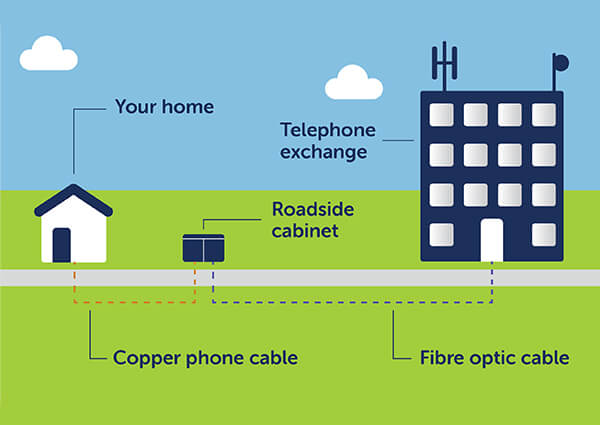
Sometimes the fibre optic cable goes from the telephone exchange to the roadside cabinet. Then from the cabinet to your home, it’s normally copper wire, this is called FTTC broadband or Fibre To The Cabinet. FTTP stands for Fibre To The Premises, this is ultrafast broadband or Full Fibre broadband. With FTTP, fibre optic cables run right into your home. This means much faster fibre broadband. But FTTP is not currently available everywhere in the UK.
How fast is fibre broadband?
Ultrafast FTTP is normally around 300Mbps, this is according to Ofcom. But most fibre connections in the UK are superfast FTTC, and they offer download speeds of at least 30Mbps. The speed you get will depend on how far away you are from the cabinet.
Want to learn more about the services we offer, get in touch with us or visit any of our other websites:
Visit our homepage here
The post What is fibre broadband? appeared first on Upbyte: Powered By Obedio.
]]>